Examples Of Proposals
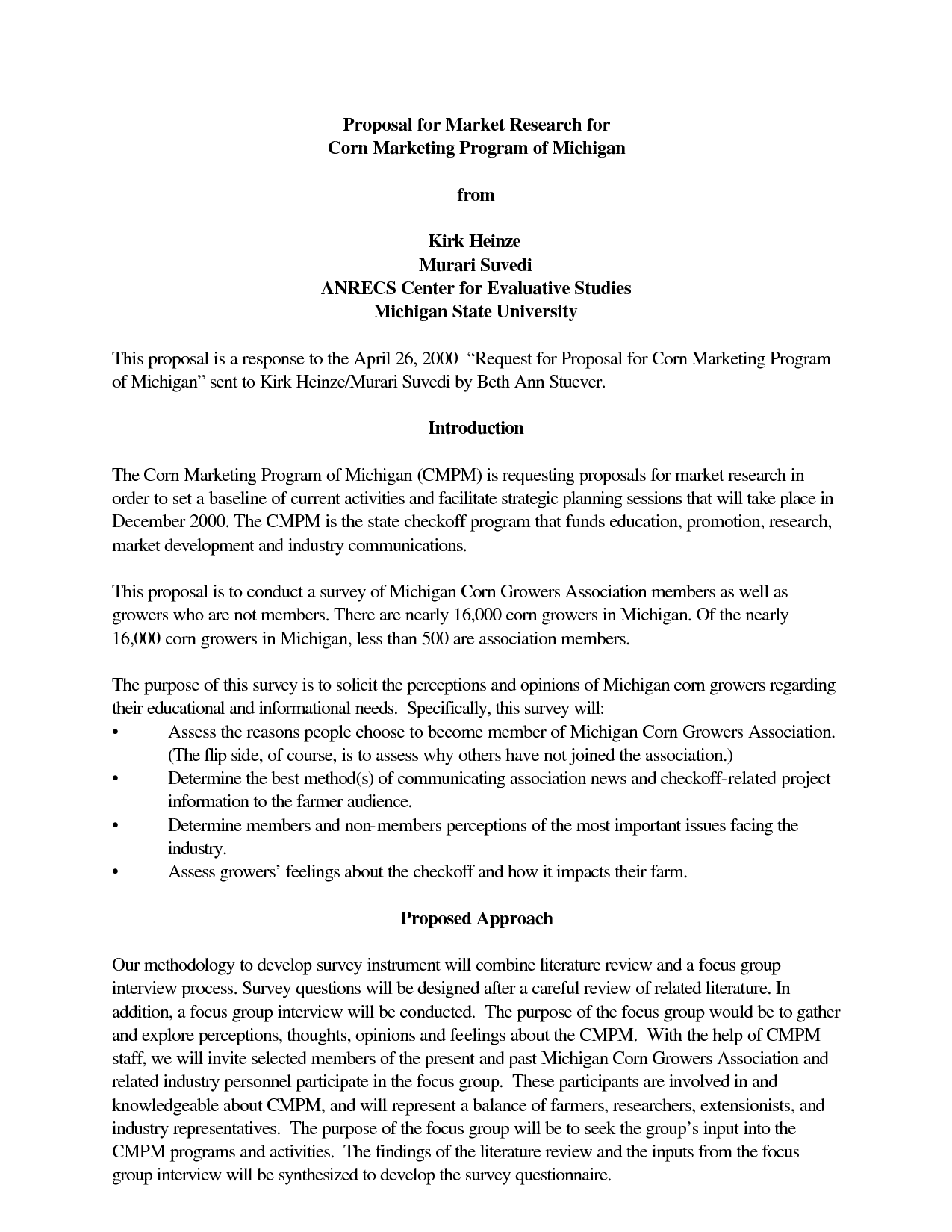
Examples Of Proposals Business Proposal
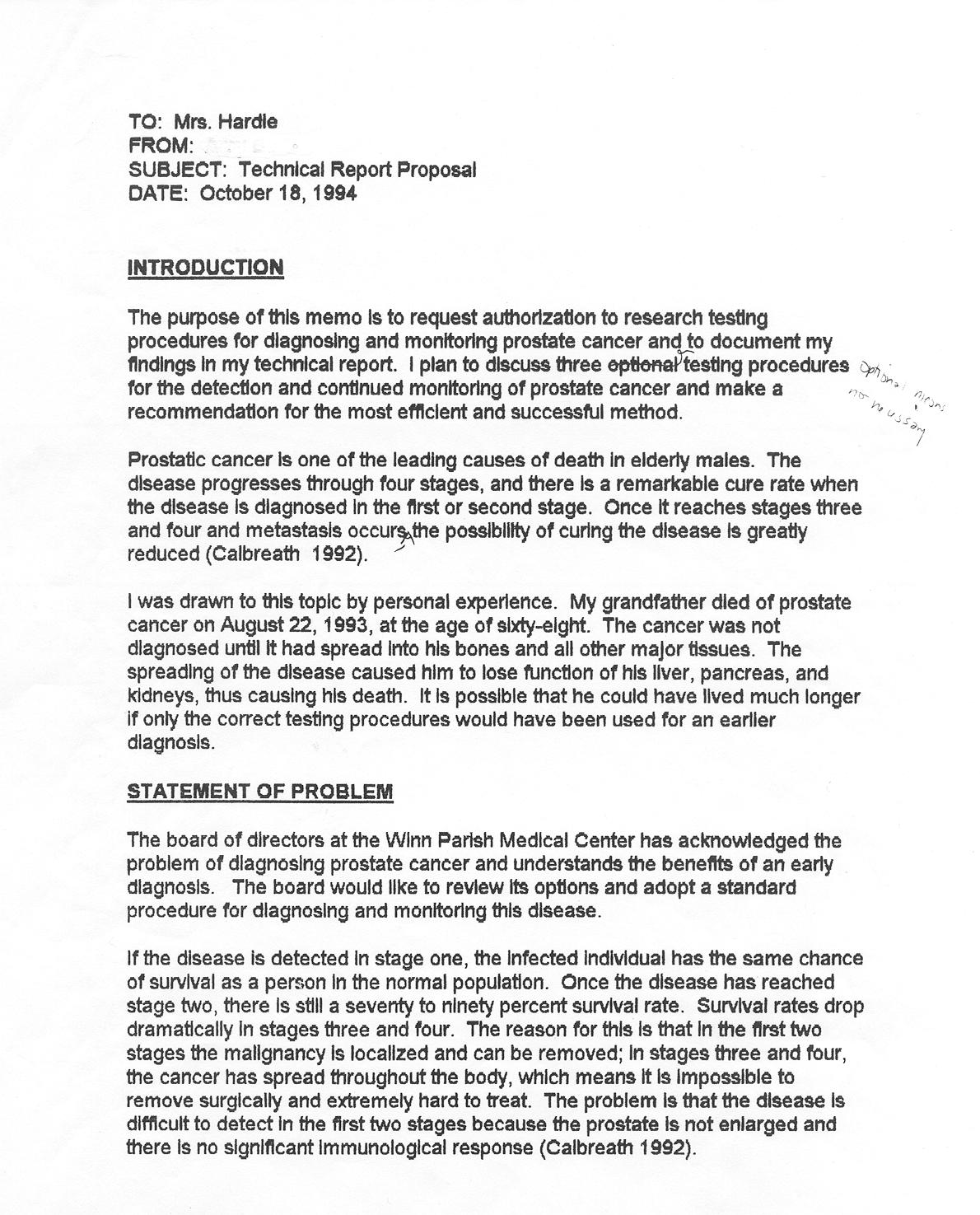
3 Option Proposal Sample
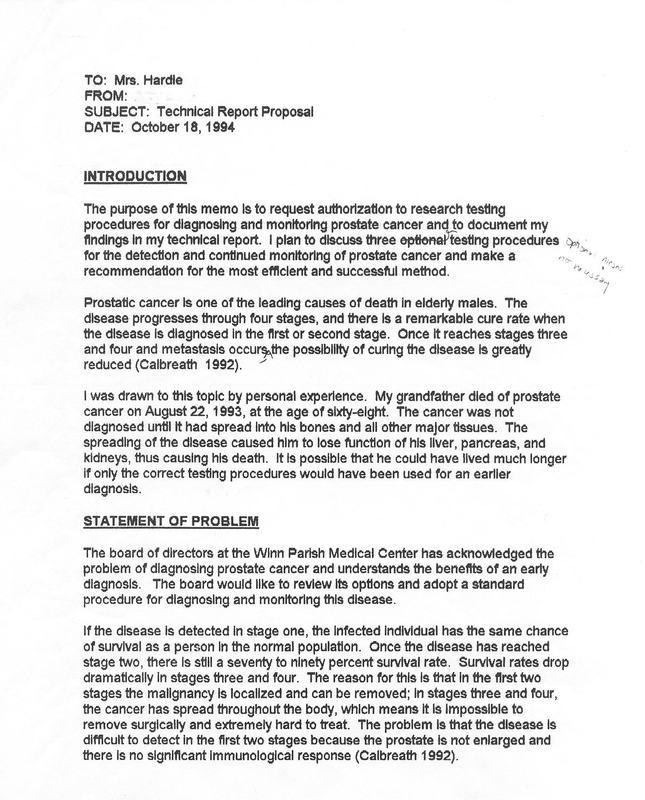
Examples Of Proposals imemexorg
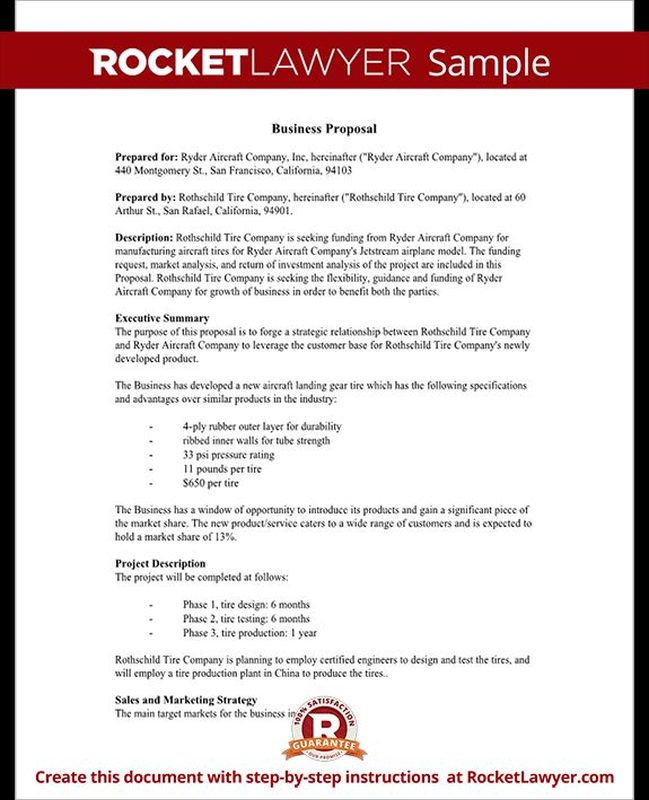
BusinessProposalCoverLetter p2jpg
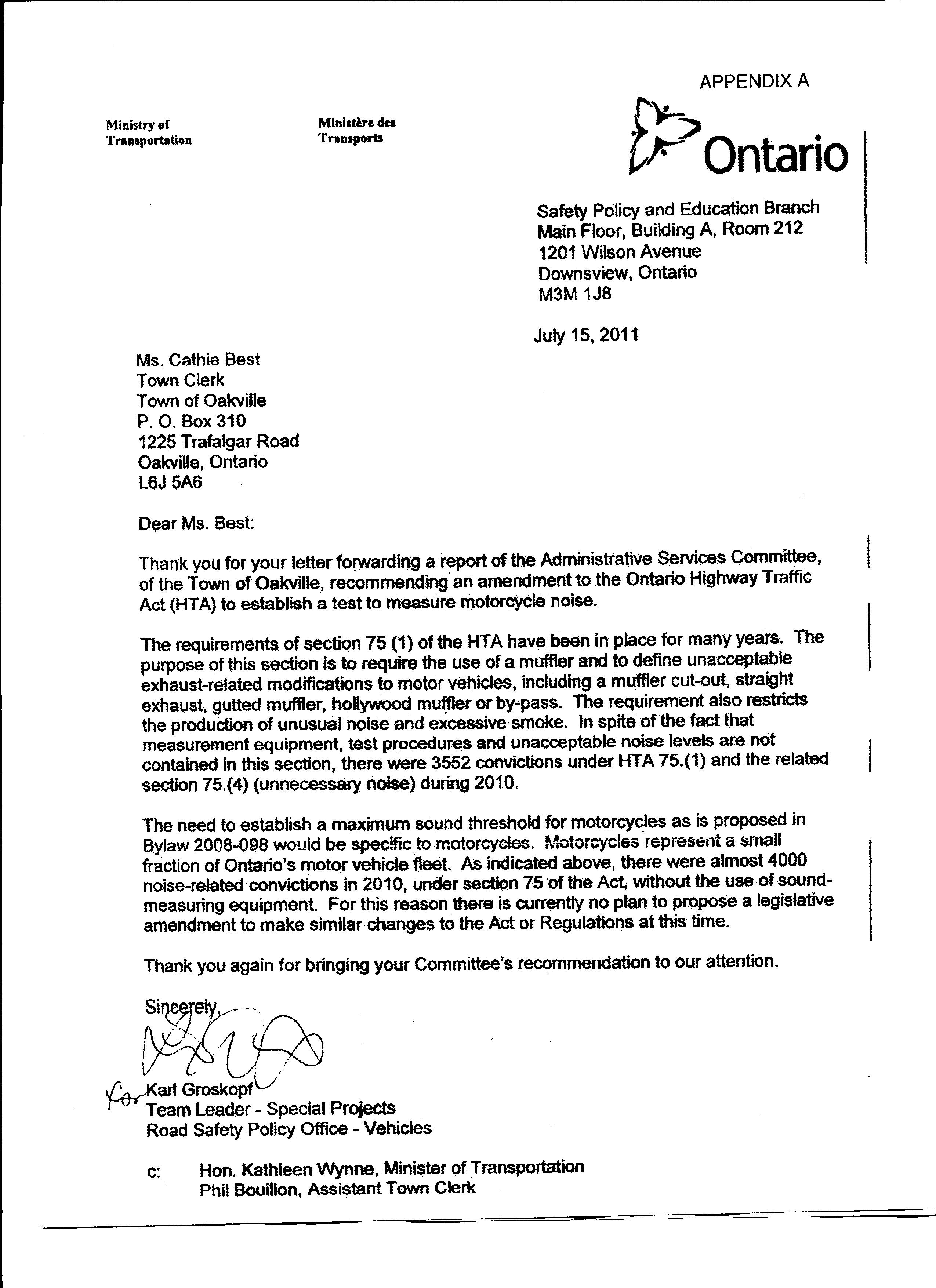
Examples Of Proposals submitalinknet
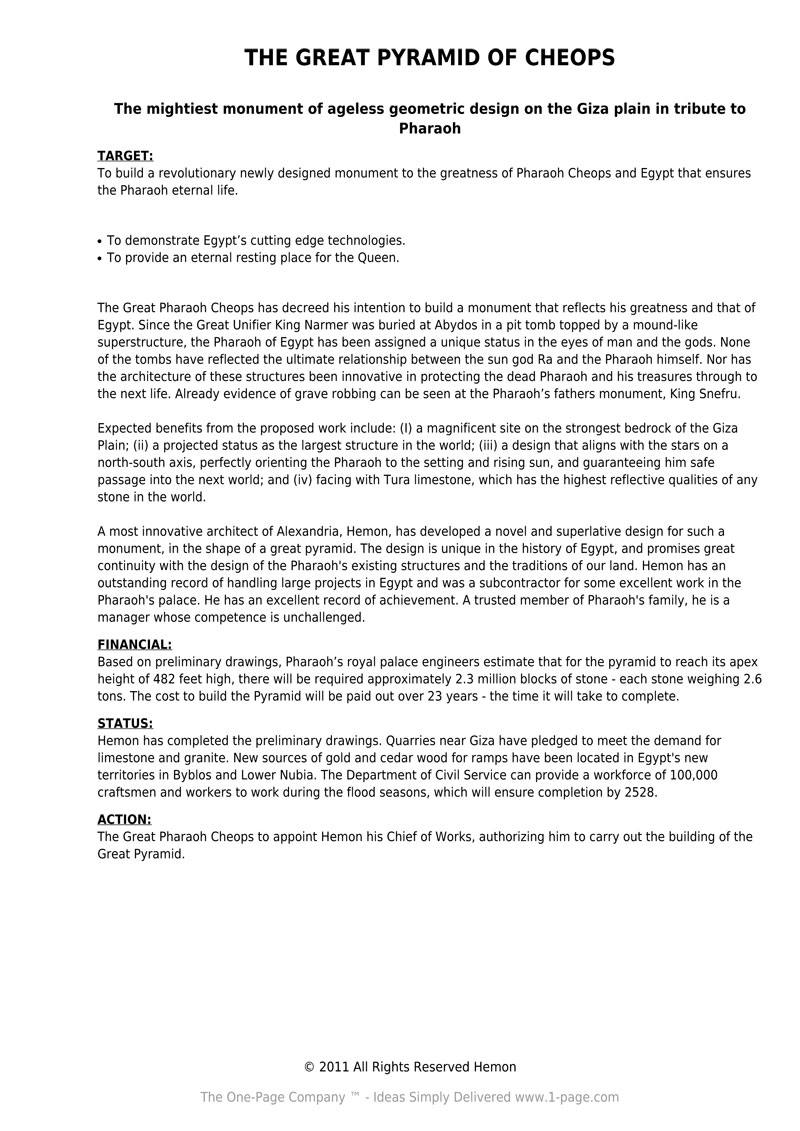
Sample Project Proposals The Proposal
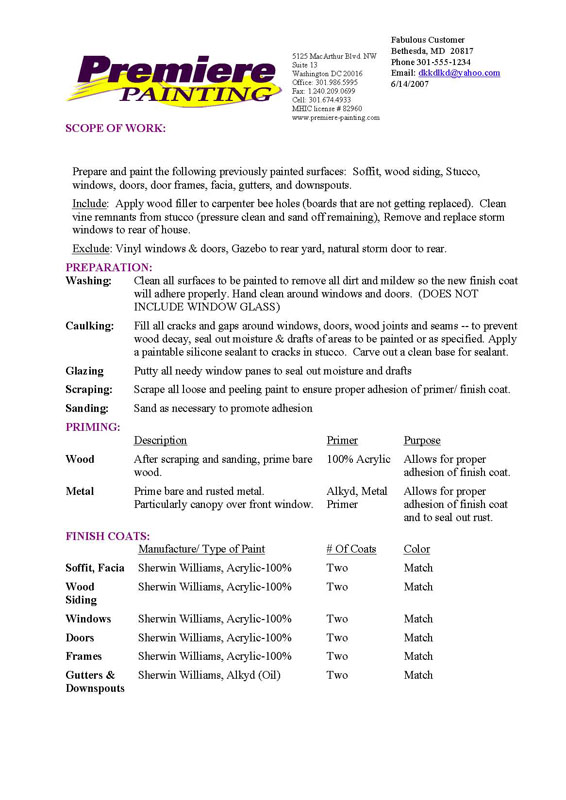
Exterior Proposal Sample Professional Commercial Residential
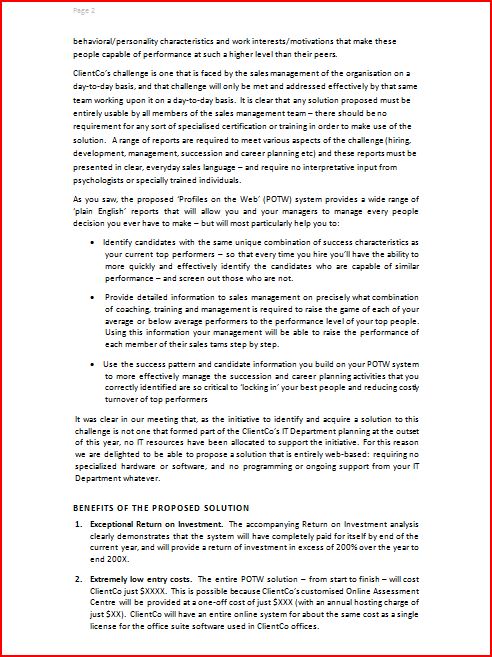
Business Proposals Examples Business Proposal
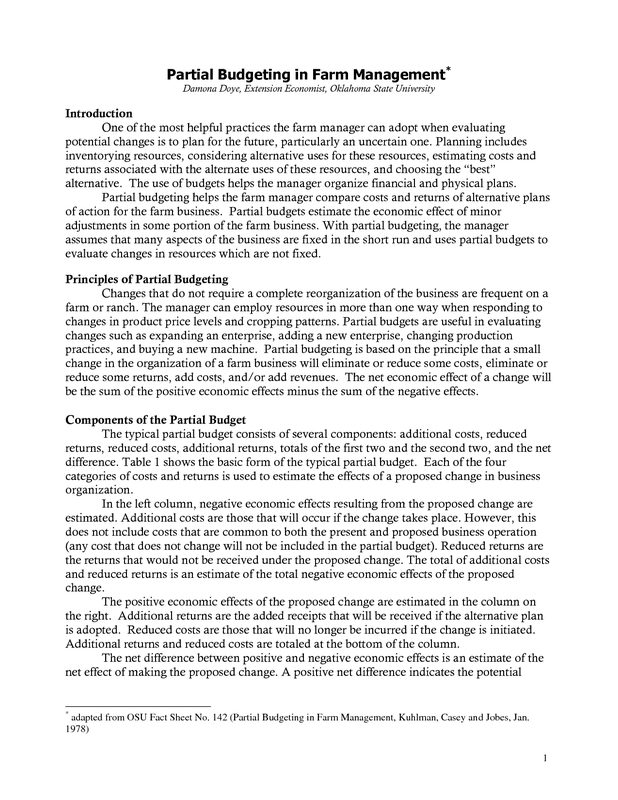
BusinessProposalCoverLetter p1jpg
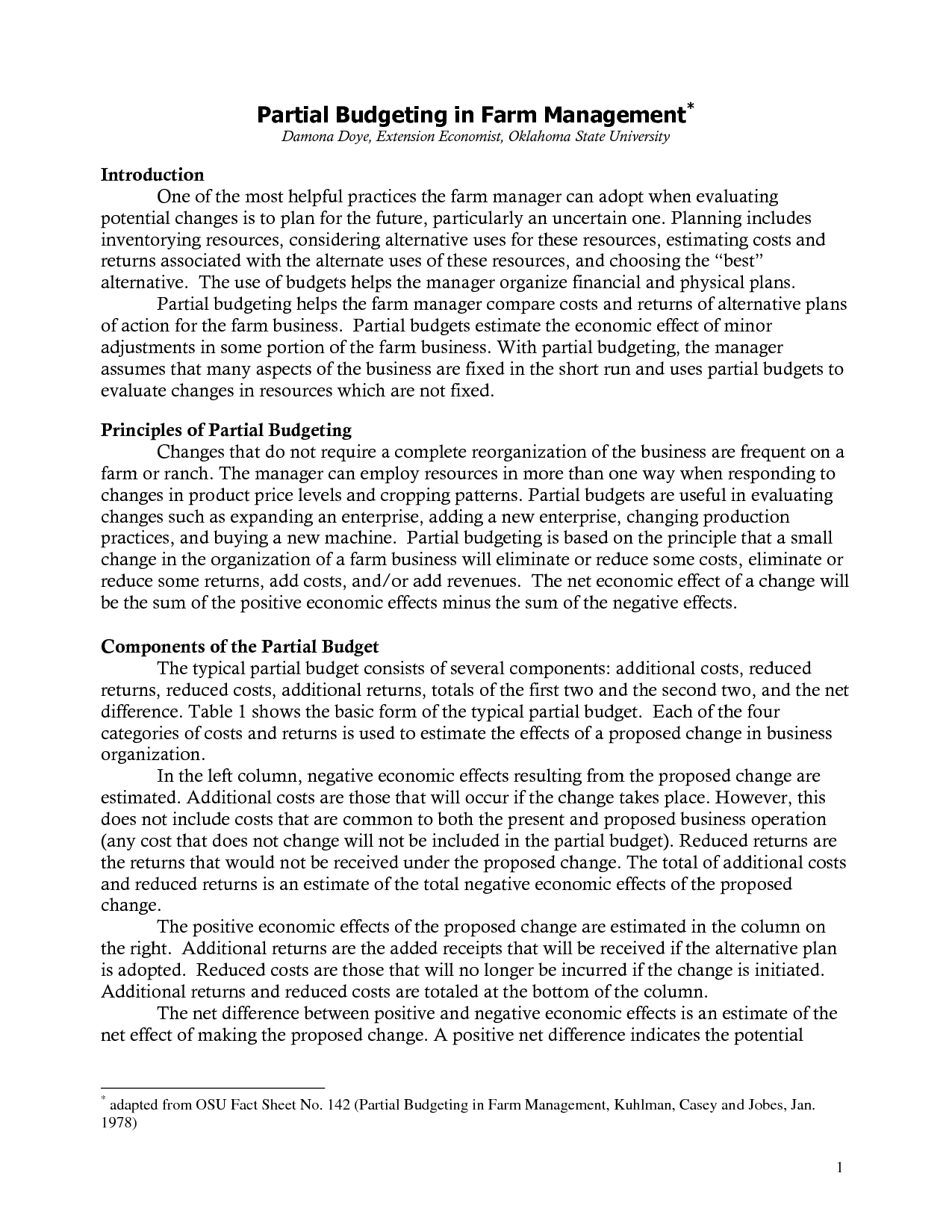
Business Proposals Examples Business Proposal
Incoming search terms:
- examples of proposals
Related For Examples Of Proposals

Sports Sponsorship Proposal Templat
Sponsorship Proposal Template How to write a sponsorship proposal
Marketing Research Proposal Example
Example Of A Research Proposal imemexorg 404 File or
Proposal Letter Example
Example Proposal Letter 2015 nailhelpcom Proposal Letter Template nailhelpcomA well-structured proposal begins with a clear sense of purpose, defining what the document aims to achieve and why the reader should care. Before any words hit the page, the writer benefits from thinking through the audience, the context, and the outcome being requested. When that foundation is solid, every later section has a place to belong and a job to do, which keeps the proposal focused rather than scattered.
Proposal letters often serve as the first point of contact between a writer and a decision-maker, so tone and brevity matter as much as content. A concise opening that names the subject, states the request, and signals respect for the reader's time tends to outperform lengthy preambles. Closing with a confident, courteous call to action invites a response without pressuring it, leaving a professional impression.
Cover letters paired with longer proposals function as a guided tour of the attached material. They point the reader toward the most relevant sections, highlight shared goals, and explain why the writer is uniquely positioned to deliver. A short paragraph of context, followed by a brief outline of what follows, helps reviewers orient themselves quickly and encourages them to read further rather than skim.
Strong business proposals balance persuasion with clarity, blending evidence, structure, and straightforward language. Readers want to understand the problem, the proposed solution, the timeline, and the expected return without wading through jargon. Visual consistency, plain headings, and tight paragraphs make the document easier to evaluate, which improves the odds that the underlying idea receives the attention it deserves.
Grant and sponsorship proposals share many of the same building blocks as other formats, yet they require extra care around mission alignment and measurable impact. Funders look for a credible match between their priorities and the applicant's goals, supported by realistic budgets and transparent outcomes. Framing each request as a partnership rather than a plea reframes the document as an invitation to collaborate toward shared results.
