Topic Proposal Example
Topic Proposal Example imemexorg
Topic Proposal Example imemexorg
Example Of A Essay With Topic Essay Writing Service Lfulswcs
Research Paper Proposal Template Proposal Template Design
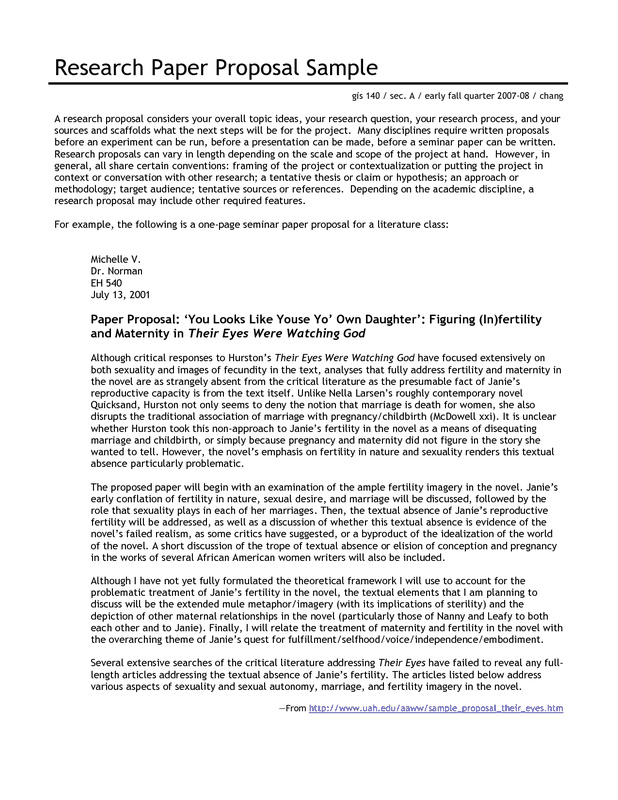
RESEARCH PROPOSAL SAMPLE New Hd Template mages
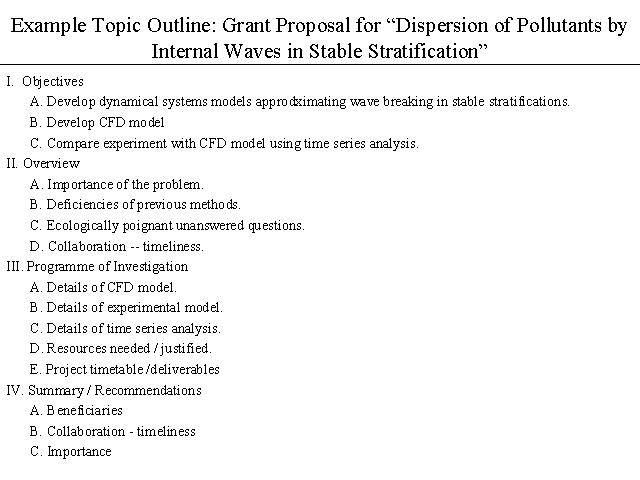
Example Topic Outline Grant Proposal for Dispersion of
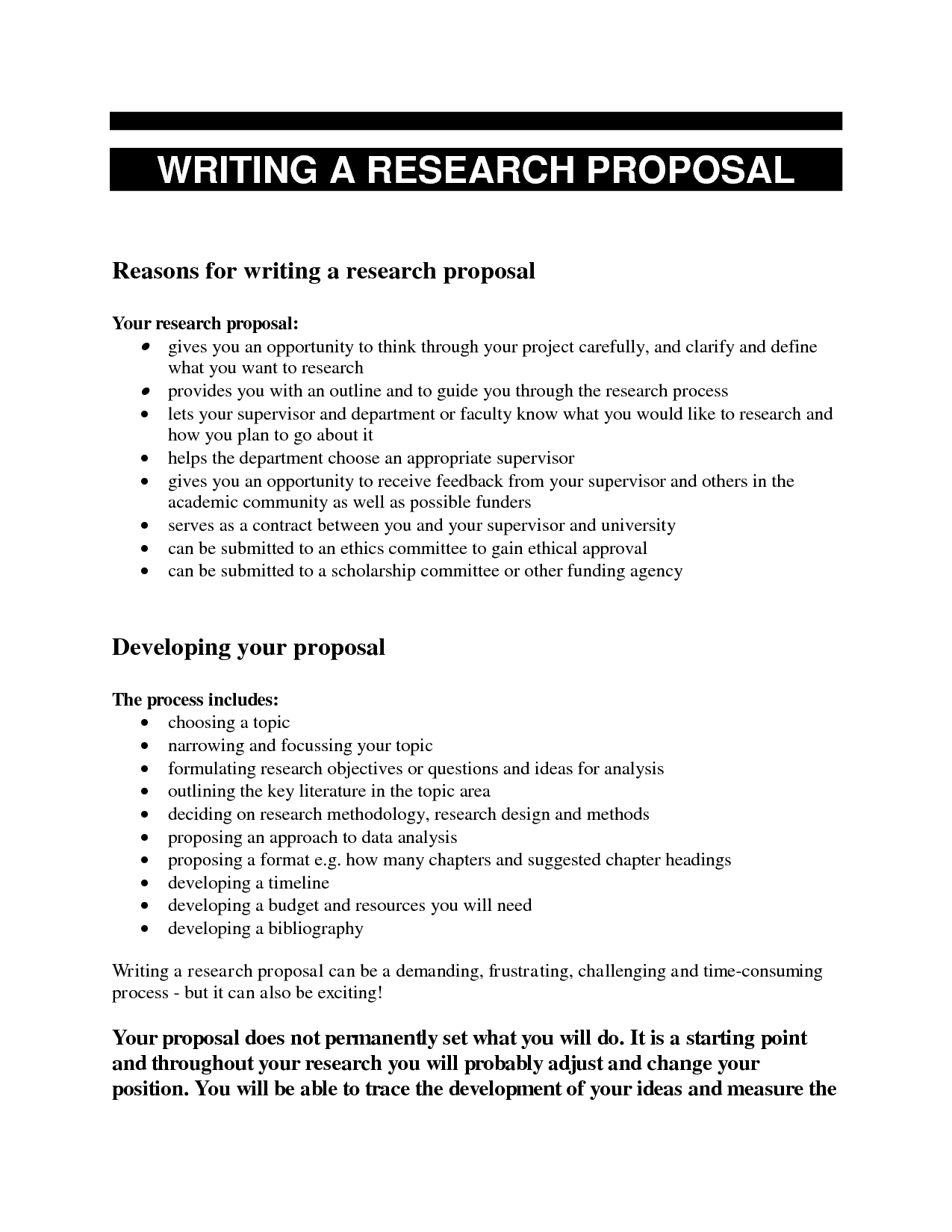
Topics oics research proposal mulberrytrimcom
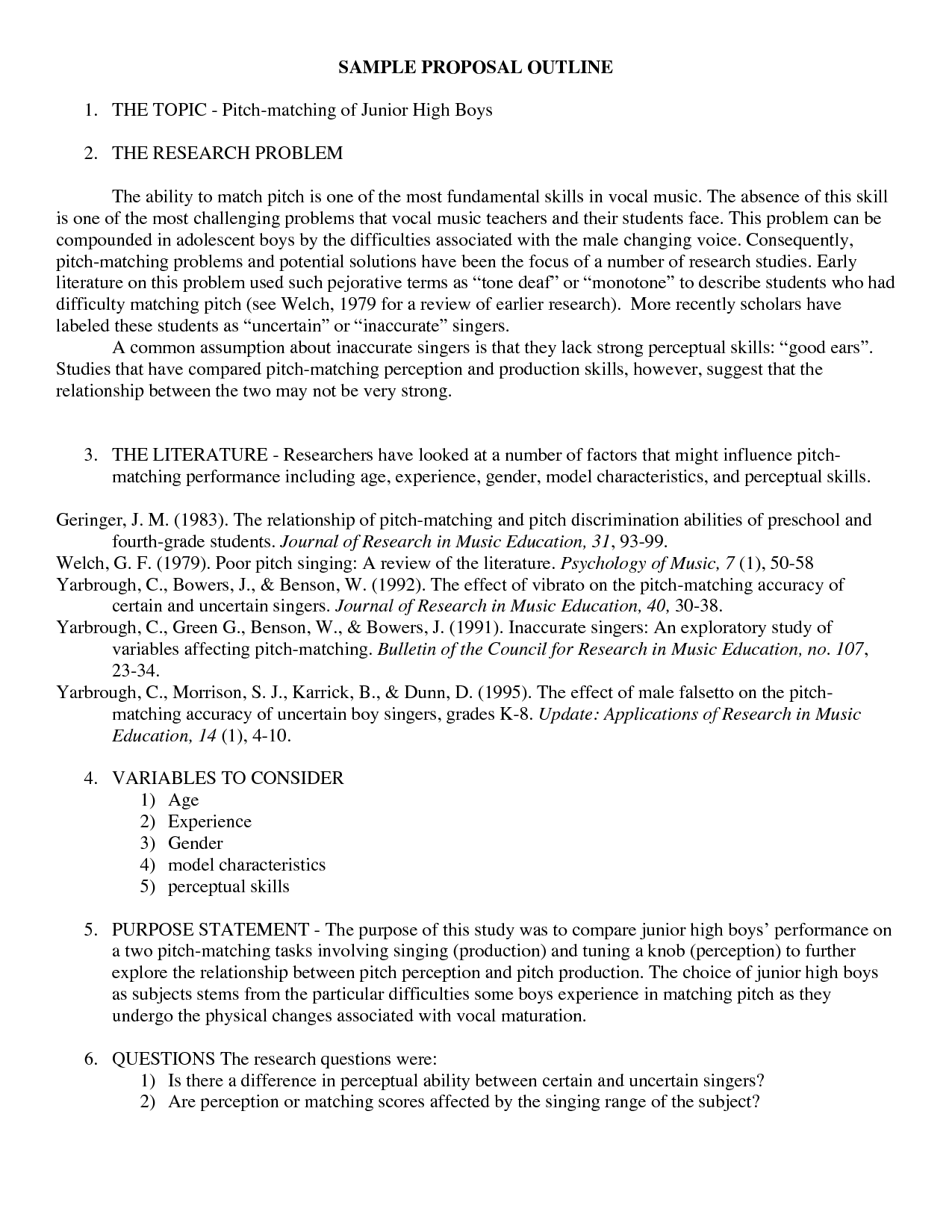
Topic Proposal Example imemexorg
Topic Methods for Database Security P5 Project Proposal
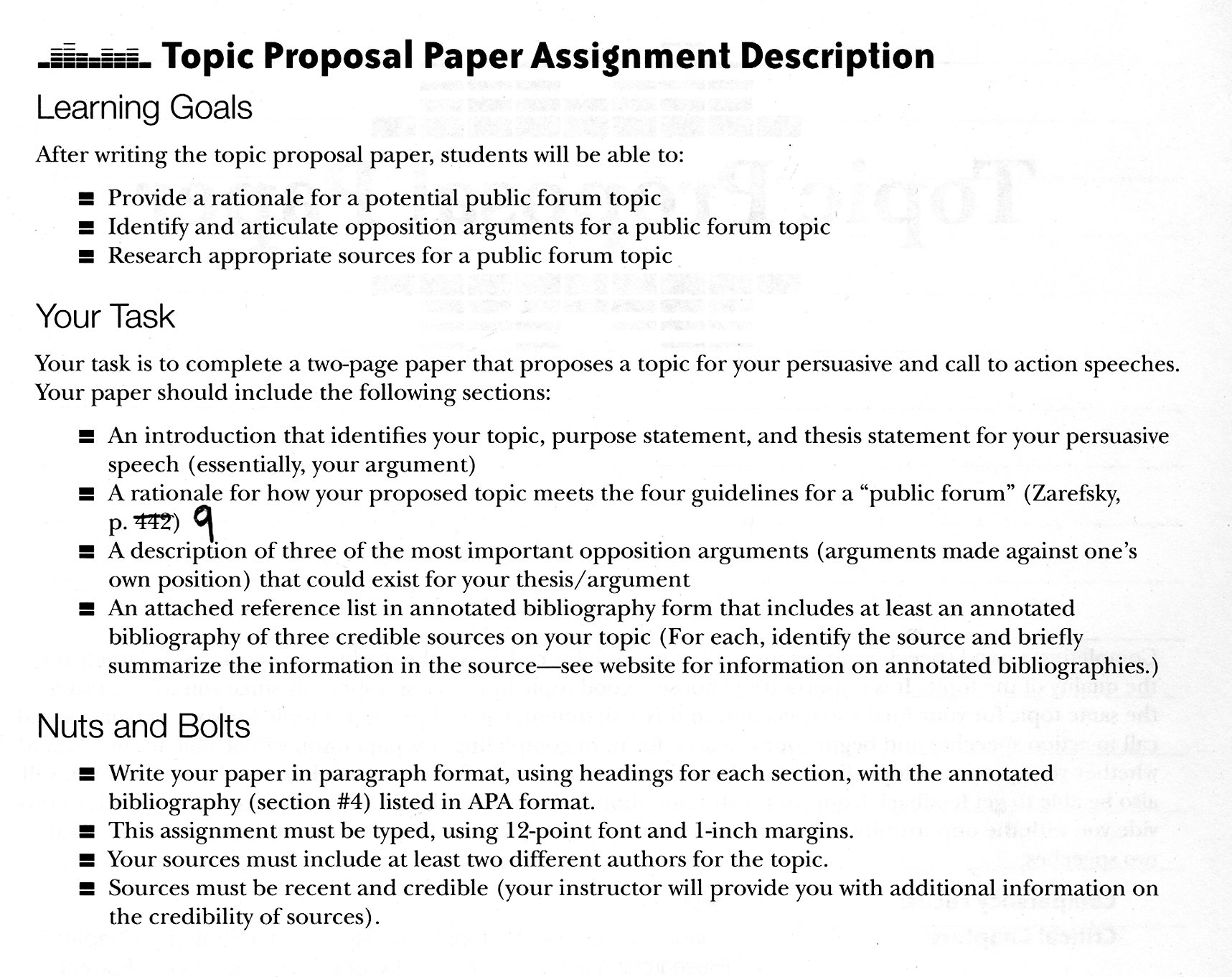
COM 110 Schedule
Incoming search terms:
- how to write a proposal on any topic
Related For Topic Proposal Example

Proposal Letter Example
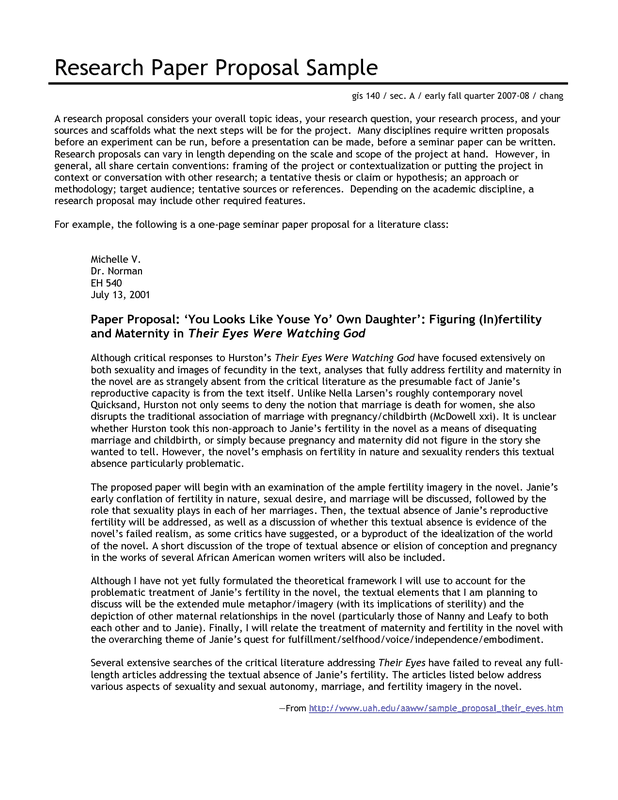
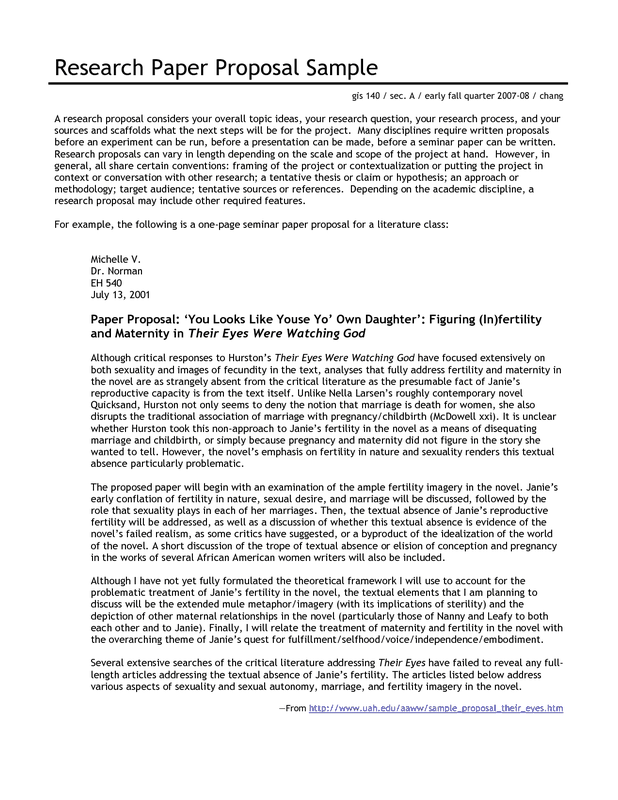
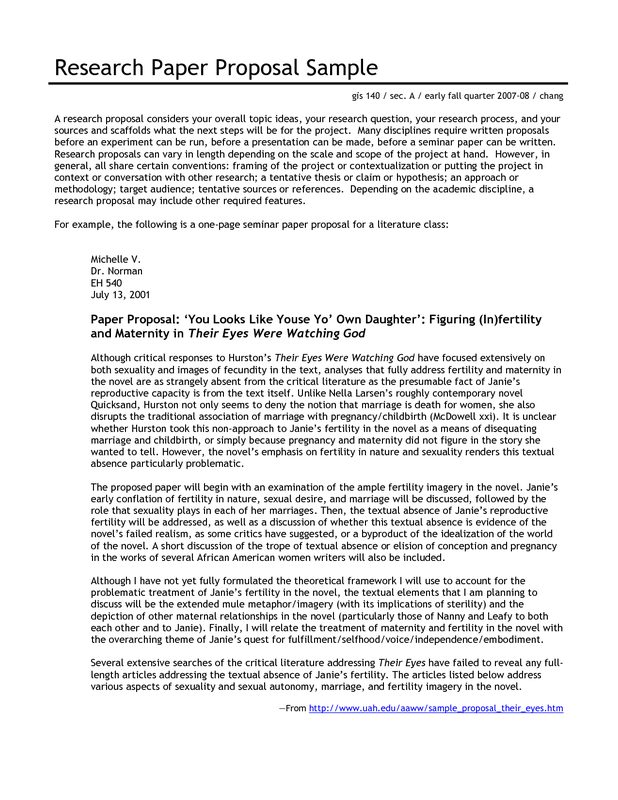
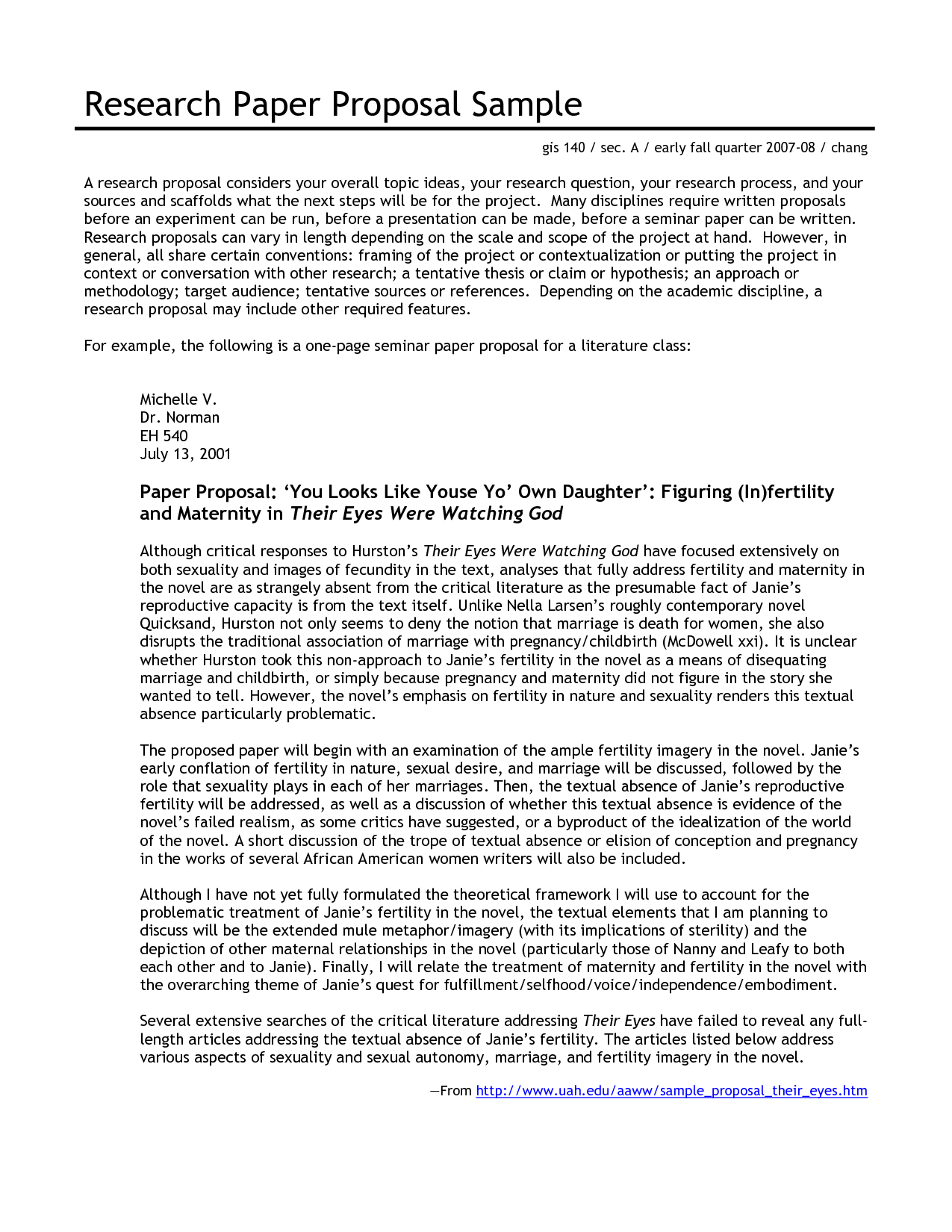
Example Proposal Letter 2015 nailhelpcom Proposal Letter Template nailhelpcomA strong topic proposal begins with clarity of purpose. Before any writing starts, the proposed subject should be narrowed to a single, defensible focus that can be explored within the available time and word count. A vague theme produces vague paragraphs, while a sharply defined topic allows each subsequent chapter to build toward a unified argument. Readers should be able to grasp the central question from the opening lines alone, which sets expectations and signals that the rest of the document will stay on course. This early discipline saves significant revision work later and gives supervisors a clear standard against which to evaluate progress. Choosing the topic carefully is therefore the foundation on which every other element of the proposal ultimately rests, and it deserves more thought than many writers initially give it.
Once a topic is fixed, background research shapes the rationale. Reviewing what has already been published on the subject reveals gaps in the literature that the new project might address, and it situates the work within established academic conversations. A literature review section does not need to be exhaustive, but it should demonstrate awareness of the most influential studies and identify where the proposed research contributes something fresh. Credible sources lend authority to the claims being made, while poorly chosen references weaken even strong arguments. Researchers who spend adequate time here tend to write stronger problem statements because they understand the landscape their work will enter. This phase also helps refine research questions, since preliminary reading often exposes angles that were not visible at the start of the process.
Methodology is where a proposal demonstrates that the work is feasible. The chosen approach, whether qualitative, quantitative, or mixed, must align logically with the research questions and the resources at hand. Readers want to know how data will be collected, analyzed, and interpreted, and they want reassurance that the methods are appropriate for the audience and discipline. A practical timeline also reassures reviewers that the schedule is realistic rather than optimistic. Describing expected limitations honestly shows maturity, since no study is without constraints. Clear methodology transforms an abstract idea into a concrete plan that a committee can approve, supervise, and ultimately judge against its stated procedures when the finished project is submitted.
Structure and formatting influence how a proposal is received as much as its content does. Consistent headings, readable spacing, and a logical progression from introduction to conclusion allow reviewers to follow the argument without friction. A well-crafted executive summary or abstract captures the essence of the project in a few short paragraphs, while a table of contents helps longer documents feel navigable. Visual elements such as charts or diagrams should be reserved for material that benefits from words to clarify rather than words to decorate. Even a strong idea can be undermined by careless presentation, so proofreading for grammar, consistency, and tone is a final but essential step before submission. Polished formatting signals professionalism and respect for the reader.
Revising a proposal is where good writing becomes excellent writing. A first draft should be set aside long enough for the writer to return with fresh eyes, then read aloud to catch awkward phrasing and unclear transitions. Seeking feedback from peers, mentors, or advisors introduces perspectives that the original author cannot generate alone and often reveals weaknesses in logic or gaps in evidence. Each revision round should focus on a different concern, such as argument flow in one pass and citation accuracy in another, rather than attempting everything at once. Persistence through several drafts is normal and expected. The final version should read as though it required no effort at all, even though that polish came from sustained attention and careful editing over time.

Sports Sponsorship Proposal Templat
Sponsorship Proposal Template How to write a sponsorship proposal
Event Proposal Template
Free Proposal Template hPix Proposal Template hPix 9 Sponsorship